Michael Lang
Professor Andreas Rentsch
ARS 281
4/3/2017
Blog #5 Fred Ritchin's After Photography
Fred Ritchin's After Photography is a book about how digital photography has changed the way people look at photographs and news. Fred Ritchin, the dean for the International Center of Photography, made this book to in order to increase awareness about digital photography and what it means today. Fred Ritchin argues that digital photography has changed the way people people view photos, news and images online. Fred Ritchin uses a number of examples in his book as well as images to prove this. Digital photography has both positive and negative sides.
The digital age allows people to use their imagination and create wonderful and creative images. The digital ages also allows people to fix their images up in order to make them look better. People with cellphones can now take pictures everywhere they go and these people can help add images during an event or they can get inspired to take more pictures. Sadly the digital ages has increased the chance for false images to appear. The digital age allows people to manipulate images and change them.
Because of this, images can no longer be trusted 100% of the time. Faked or slightly manipulated images can cause issues and anger. If a photograph taken during a serious even, like a war for example, is changed in a way that starts controversy it can cause outrage, backlash and it can put peoples lives at risk. It can be hard to tell if a image is pure or if it has been manipulated or distorted. In After Photography the author tries to provide ways to authenticate images and make good use of this new age of photography.
He also talks about how the digital age can provide greatness and reality in a blurry and manipulated world where one must always be careful when it comes to images. This was an interesting read filled with not just great writing but also photographs that prove Fred Ritchin's points. His book provide the reader with not just information, but solutions and questions for the future of photography. Here are some interesting quotes from the article.
"reality has no single truth." This line is very true today. With so many points of view and possible ways to manipulate evidence, it can be hard to find a single truth or hard fact. Some of the images used in the article prove this.
"If the reader clicked on the man doing the shooting, he or she could find out that he later opened a pizzeria." While this was on the sidelines of the article and it was in smaller print, this line was very informative and interesting. Many have seen this infamous image from the Vietnam War but many know little about the man pulling the trigger or the aftermath of the execution. To learn that the man with the gun ended up running a pizzeria crates a bigger and more interesting story.
"Photography, rather than reacting to apocalypse can now try to help us avoid them." This quote along with the line before it shows one of the important and positive ways digital photography can be used. Digital photography can be used in very positive and meaningful hands and it can be a useful scientific tool.
Monday, April 3, 2017

Saturday, March 25, 2017
Michael Lang
Professor Andreas Rentsch
ARS 281
3/25/2017
The Portrait Inspiration Blog
Out of all the portraits in the list, the portrait with the elephant trainer was the most interesting. The black and white portrait shows a elephant trainer named Ram Prakash Singh with his elephant Shyama. This portrait was taken in the 1990s in India during a circus. This photo was taken by photographer Marry Ellen Mark, a woman know for her photojournalism and documentary photography. Marry Ellen Mark took a number of pictures at this Indian circus.
The portrait is interesting and catches the eye for a number of reasons. It is a black and white image with character. It is a well taken portrait technical wise. Its a clear image with both subjects, the elephant trainer and the elephant both in view. In terms of visual aspects the image and its subjects are clear as day.
In terms of narrative quality the portrait might represent man and nature together. The portrait shows the trainer looking right at the camera, relaxed and fearless. It could visualize mans control and dominance over animals. It could also have a narrative involving a more friendly relationship with man and animal. The elephant also seems relaxed in the portrait and it even looks like the elephant is holding on to the elephant trainer with its trunk.
The image can have a number of different narratives. I was interested in this portrait for a number of reasons. One is the elephant. I love animals and anything involving them will peak my interest. The way the elephant acts in the photo also is interesting. As mentioned before the elephant is calm and it wraps its trunk around the elephant trainer.
This trunk hug is a unique behavior you don't see often and it is right in the center of the portrait. Aside from the elephant the elephant trainer is interesting too. His gaze and fearless look draws you into he portrait and his pose is also cool. His outfit is also noteworthy. He has a number of rings on his fingers, a belt and other accessories.
These accessories add some brightness to the portrait. This is a very good and unique portrait that features a interesting man and a interesting animal.
Professor Andreas Rentsch
ARS 281
3/25/2017
The Portrait Inspiration Blog
Out of all the portraits in the list, the portrait with the elephant trainer was the most interesting. The black and white portrait shows a elephant trainer named Ram Prakash Singh with his elephant Shyama. This portrait was taken in the 1990s in India during a circus. This photo was taken by photographer Marry Ellen Mark, a woman know for her photojournalism and documentary photography. Marry Ellen Mark took a number of pictures at this Indian circus.
The portrait is interesting and catches the eye for a number of reasons. It is a black and white image with character. It is a well taken portrait technical wise. Its a clear image with both subjects, the elephant trainer and the elephant both in view. In terms of visual aspects the image and its subjects are clear as day.
In terms of narrative quality the portrait might represent man and nature together. The portrait shows the trainer looking right at the camera, relaxed and fearless. It could visualize mans control and dominance over animals. It could also have a narrative involving a more friendly relationship with man and animal. The elephant also seems relaxed in the portrait and it even looks like the elephant is holding on to the elephant trainer with its trunk.
The image can have a number of different narratives. I was interested in this portrait for a number of reasons. One is the elephant. I love animals and anything involving them will peak my interest. The way the elephant acts in the photo also is interesting. As mentioned before the elephant is calm and it wraps its trunk around the elephant trainer.
This trunk hug is a unique behavior you don't see often and it is right in the center of the portrait. Aside from the elephant the elephant trainer is interesting too. His gaze and fearless look draws you into he portrait and his pose is also cool. His outfit is also noteworthy. He has a number of rings on his fingers, a belt and other accessories.
These accessories add some brightness to the portrait. This is a very good and unique portrait that features a interesting man and a interesting animal.
Sunday, March 19, 2017
Michael Lang
Professor Andreas Rentsch
ARS 281
3/20/17
Blog #4
Henri Cartier-Bresson was a French photographer who took photographs in countries around the world. He was a humanist photographer and was very gifted. He took a number of portrait pictures of people around the world and also took a number of self-portraits. His black and white photographs are interesting and unique because none look alike and some are taken at interesting and appealing angles and locations. Henri is also know for his decisive moment shots.
Henri believed that everything has a decisive moment and taking pictures of these moments can led to great photographs. Sadly Henri Cartier-Bresson passed away in 2004 but his great work lives on. He was very talented and has many great photographs. His images are both unique and enjoyable to look at but also important history wise.

Professor Andreas Rentsch
ARS 281
3/20/17
Blog #4
Henri Cartier-Bresson was a French photographer who took photographs in countries around the world. He was a humanist photographer and was very gifted. He took a number of portrait pictures of people around the world and also took a number of self-portraits. His black and white photographs are interesting and unique because none look alike and some are taken at interesting and appealing angles and locations. Henri is also know for his decisive moment shots.
Henri believed that everything has a decisive moment and taking pictures of these moments can led to great photographs. Sadly Henri Cartier-Bresson passed away in 2004 but his great work lives on. He was very talented and has many great photographs. His images are both unique and enjoyable to look at but also important history wise.
Friday, March 17, 2017
Michael Lang
Professor Andreas Rentsch
ARS 281
3/1/2017
Blog #3 Edward Burtynsky
Edward Burtynsky is a Canadian photographer who is know for industrial landscape photographs. He is also an artist and has had a speech at TED talks. He has taken a number of photographs at industrial areas. These photographs include ship wreaks, oil fields, quarries and junkyards. He has taken a number of photographs of nature and landscapes being affected by industries and abandoned junk.
The colored photographs are all interesting and unique. Many of the photographs are also rich in color and good lighting. Edward Burtynsky's photographs are important as well because they show what mankind's industries and left behind junk do to nature and landscapes. His pictures are interesting, colorful and some are epic in size. They are also significant because his images capture the harm of the industries and junk on nature.
It is worth noting that a number of his altered landscape images are taken from a vantage point.

Professor Andreas Rentsch
ARS 281
3/1/2017
Blog #3 Edward Burtynsky
Edward Burtynsky is a Canadian photographer who is know for industrial landscape photographs. He is also an artist and has had a speech at TED talks. He has taken a number of photographs at industrial areas. These photographs include ship wreaks, oil fields, quarries and junkyards. He has taken a number of photographs of nature and landscapes being affected by industries and abandoned junk.
The colored photographs are all interesting and unique. Many of the photographs are also rich in color and good lighting. Edward Burtynsky's photographs are important as well because they show what mankind's industries and left behind junk do to nature and landscapes. His pictures are interesting, colorful and some are epic in size. They are also significant because his images capture the harm of the industries and junk on nature.
It is worth noting that a number of his altered landscape images are taken from a vantage point.
Thursday, March 16, 2017
Michael Lang
Professor Andreas Rentsch
ARS 281
3/17/2017
Blog #2 Michael Kenna
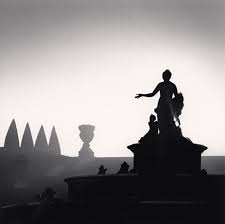
Michael Kenna is a English photographer who makes unique black and white images. He is know for these kinds of images and images involving landscapes, lights and darkness. He has a number of interesting and note worthy images involving tress, roads, buildings and statues. He also has a number of impressive images involving shadows. He makes these images by taking pictures at dawn or night.
His work is impressive and his work has ended up in museums and galleries around the world. His images might lack color but they have character and emotion and they look beautiful. I enjoy these black and white style images as well as Michael Kenna's shadow images.
Professor Andreas Rentsch
ARS 281
3/17/2017
Blog #2 Michael Kenna
Michael Kenna is a English photographer who makes unique black and white images. He is know for these kinds of images and images involving landscapes, lights and darkness. He has a number of interesting and note worthy images involving tress, roads, buildings and statues. He also has a number of impressive images involving shadows. He makes these images by taking pictures at dawn or night.
His work is impressive and his work has ended up in museums and galleries around the world. His images might lack color but they have character and emotion and they look beautiful. I enjoy these black and white style images as well as Michael Kenna's shadow images.
Thursday, February 2, 2017
Michael Lang
Professor Andreas Rentsch
ARS 281
2/2/2017
Blog number 1
For me, photography means two things. One is story telling and two is historic significance. For story telling, photography can tell a tale. A single photograph or a series of photographs can tell a story. For example a series of family photographs can tell a story of a family.
Whenever members of my family look at photographs of themselves they have emotional and funny conversations about the photos and what took place when the photo was taken. I sometimes get emotional looking at photographs when I look at old photos of myself, my family or my friends. I'm sure others think the same, photography is capable or keeping memories and stories alive. As for historical significance, photographs from the past have proven to be very significant even today. There are a number of examples, one of which is the photograph of the U.S Marines raising the flag on Iwo Jima during WW2.
This photograph is world famous and for good reason. It boosted moral during the war, sparked a historical mystery years after the war and it is still seen as one of many inspiring photographs of WW2. Other photographs from other moments in history still provide people with historical lessons and information. I believe photographers are very talented and have great respect for combat photographers. I myself enjoying taking photographs of things that interest me whenever I can although my photographs are far from perfect.
To wrap things up I find something about photography very special. Photographs taken at the right time and right angle can truly leave an impression, and there is no denying the historical value of photographs from the past.
Professor Andreas Rentsch
ARS 281
2/2/2017
Blog number 1
For me, photography means two things. One is story telling and two is historic significance. For story telling, photography can tell a tale. A single photograph or a series of photographs can tell a story. For example a series of family photographs can tell a story of a family.
Whenever members of my family look at photographs of themselves they have emotional and funny conversations about the photos and what took place when the photo was taken. I sometimes get emotional looking at photographs when I look at old photos of myself, my family or my friends. I'm sure others think the same, photography is capable or keeping memories and stories alive. As for historical significance, photographs from the past have proven to be very significant even today. There are a number of examples, one of which is the photograph of the U.S Marines raising the flag on Iwo Jima during WW2.
This photograph is world famous and for good reason. It boosted moral during the war, sparked a historical mystery years after the war and it is still seen as one of many inspiring photographs of WW2. Other photographs from other moments in history still provide people with historical lessons and information. I believe photographers are very talented and have great respect for combat photographers. I myself enjoying taking photographs of things that interest me whenever I can although my photographs are far from perfect.
To wrap things up I find something about photography very special. Photographs taken at the right time and right angle can truly leave an impression, and there is no denying the historical value of photographs from the past.
Subscribe to:
Posts (Atom)